Drywall Finish Levels 0–5 Explained
Drywall finish levels are six standard grades of joint treatment, numbered 0 through 5. They come from GA-214, Levels of Finish for Gypsum Panel Products, published by the Gypsum Association with the wall and ceiling, finishing and painting trade groups. The current edition is GA-214-2026.
The number indicates how much finishing a surface gets before paint, texture, or wallcovering. The scale goes from bare board at Level 0 to a full skim coat at Level 5. Most painted houses are finished to Level 4. Accessories refer to things like corner bead, control joints, or molding. Decoration means the type of paint, wallcovering, venetian plaster, or other final finish that will go over the finished drywall.
The six finish levels at a glance
| Level | Joints and inside corners | Fasteners and accessories | Surface | Typically used for |
|---|---|---|---|---|
| 0 | Nothing | Nothing; no accessories | Bare board | Temporary work, or the final decoration hasn't been picked |
| 1 | Tape set in compound | Screws don't need covering; accessories only if specified | Excess compound and tool marks are OK | Above ceilings, attics, plenums and other concealed areas; joint treatment in smoke barriers |
| 2 | Tape embedded and wiped to a thin coat | One coat | No excess compound; tool marks are OK | Under tile; garages and storage where looks don't matter |
| 3 | Tape coat, plus one more coat | Two coats | Smooth, no tool marks | Medium or heavy texture; heavy-duty wallcovering |
| 4 | Tape coat, plus two coats on flat joints and one on inside corners | Three coats | Smooth, no tool marks | Smooth walls with flat paint; light or non-continuous texture; wallcovering |
| 5 | Same as Level 4, then a skim coat over the entire surface | Three coats, then the skim | Smooth, no tool marks | Sheen or gloss paint, dark colors, or critical lighting |
Our summary of GA-214-2026, Section IV, pp. 3–5. The coat counts are the same as in GA-214-2021.
What a "level of finish" means (and what it doesn't)
It isn't a building code. GA-214 is a set of recommendations that gets written into project documents so the architect, contractor and owner agree on the finished look. A finish level is a contract term.
It describes the mud work, not the paint or the board. Paint, texture and board type are separate choices.
It doesn't promise a perfectly flat wall. Mud builds up on top of the board, and thin coats only feather out the ridges and hollows. GA-214-2026: "It must be noted that it is not possible to achieve a perfectly flat surface when finishing gypsum panels." (p. 1)
Fire- and sound-rated walls are a separate question. Taping and finishing alone don't make a wall fire- or sound-rated. They're one part of a rated system, which is designed from GA-600, the Gypsum Association's Fire Resistance and Sound Control Design Manual. Where a rating is required, GA-214 says the system's own required finish must be met and the building code followed.
Levels 0, 1 and 2: unseen and utility surfaces
Level 0
No tape, no mud, no corner bead. It's for temporary construction, or when the decoration hasn't been decided.
Level 1
Tape set in compound at joints and inside corners. Excess mud and tool marks are fine, screws don't need covering, and accessories go on only if specified. It's typical above ceilings, in attics, plenums and other closed-in spaces, and for joint treatment in smoke barriers.
Level 2
Tape embedded and wiped to a thin coat, plus one coat over the screws and any bead or trim. No excess mud, but tool marks are OK. GA-214 lists it under tile and for garages and storage areas where looks don't matter. A tape coat wiped smooth over the tape when it's embedded already meets Level 2 for the joints. Behind tile, check the backer and tile manufacturer's requirements; tub and shower walls usually need cement board or another tile backer, not regular drywall.
Level 3: under medium and heavy texture
Level 3 is Level 2 plus one more coat over the joints and inside corners, and two coats over screws and accessories. Joints and bead must be smooth and free of tool marks. GA-214 says it can be used under medium or heavy texture, sprayed or hand applied, and under heavy-duty commercial wallcovering. See Types of Drywall Texture for what falls where.
GA-214-2026 is clear about where it doesn't belong: "This is not the correct level of finish for smooth wall designs…" (p. 4). Light or non-continuous textures and lightweight wallcovering are out too.
The step from Level 3 to Level 4 is one more coat on the flat joints and one more on the screws and bead, so the surface is ready for flat paint instead of texture.
Level 4: the usual standard for smooth painted walls
Level 4 is the tape coat, then two separate coats over flat joints, one over inside corners, and three over screws and accessories, smooth and free of tool marks. GA-214 lists it for smooth walls with flat paint, light textures, non-continuous textures and wallcovering.
It also draws a line on paint: "Non-flat or dark/deep tone paints are not recommended; refer to Level 5." (GA-214-2026, p. 4) Deciding between Level 4 and Level 5? See What Is a Level 5 Drywall Finish?
At Levels 3, 4 and 5, GA-214 recommends that the painting spec include a primer. Details about how each coat is applied can be found in How to Tape Drywall, taping angles and coating corner bead; Types of Drywall Mud covers which compound to use.
Level 5: Level 4 plus a full-surface skim
Level 5 is everything in Level 4, then a skim coat of joint compound, or a product made for the purpose, over the entire surface. GA-214 lists it for smooth surfaces with sheen or gloss paint, dark or deep colors, or critical lighting. Even then, it says Level 5 helps "minimize (not eliminate) the possibility of joint photographing and/or fasteners showing through the final decoration." (GA-214-2026, p. 5) For when it's worth it, see What Is a Level 5 Drywall Finish?. For the method, see How to Roll Skim Drywall.
Which finish level goes where
| Area or finish | GA-214 typical | Our crew's standard |
|---|---|---|
| Attic, above a ceiling, plenum or other concealed space | Level 1 | Same |
| Garage or storage, looks don't matter | Level 2 | Same |
| Wall that will get tile | Level 2 (check the backer and tile manufacturer) | Same |
| Knockdown and most other medium or heavy textures | Level 3 | Level 4 minimum |
| Popcorn, rolled texture, heavy hawk and trowel | Level 3 | Level 3 may be acceptable |
| Smooth wall with flat paint, light texture or wallcovering | Level 4 | Level 4 |
| Untextured ceiling | Level 4 with flat paint in normal light; Level 5 with sheen, dark paint or critical light | Level 5 in living spaces; garage ceilings match the garage walls |
| Smooth surface with sheen or gloss paint, dark paint or critical light | Level 5 | Level 5 |
One house can mix levels. On a typical job of ours, the garage is Level 2, the walls and textured rooms are Level 4, and untextured living-space ceilings are Level 5. Garage ceilings get the same level as the garage walls.
How to write a finish level into a spec or bid
Name the level and the edition, for example "Level 4 per GA-214-2026."
Mark each area. GA-214 puts levels on the finish schedule or plans. On a house, a room-by-room list in the bid does the same job.
Agree on a mock-up for Levels 3, 4 and 5. GA-214 calls for one with the final paint or texture on it, under lighting like the finished room's. Once approved, it's the benchmark for the rest of the work (Section III, p. 2).
Agree on inspection. GA-214's viewing position is at least 5 feet away, looking straight at the surface, under the finished room's lighting (p. 5).
Put primer in the painting spec, not the drywall scope.
Flag critical lighting early. Big windows and wall-washers change what a wall needs.
What changed in GA-214-2026
The six levels and their coat counts didn't change from GA-214-2021. The new guidance:
Critical lighting is a design decision. Under strong side light, "even a properly finished surface may show minor variations," and "Such lighting conditions should be identified during the design phase and documented in the contract documents." (p. 5)
Jobsite conditions have an owner. The 50°F, 48-hour minimum isn't new. Keeping it is now the general contractor's or owner's responsibility, as the contract sets out (p. 5).
Minor variations are expected. "Minor surface variations inherent to gypsum panel finishing are expected and may be acceptable when not visible under normal viewing conditions." (p. 5)
Level 5 adds "(not eliminate)." The previous version said that Level 5 "minimizes" joint photographing, but the 2026 version clarifies this by saying that it doesn't eliminate it (Section IV, p. 5).
A new Touch-Ups comment. Patches and repainting after final decoration may stay visible in some light. "Such visibility does not necessarily constitute defective workmanship…" if the repair meets the specified level and isn't readily visible under normal viewing (p. 6).
The quick-reference chart is now an appendix to the document (p. 9) instead of a separate publication.
Check which edition your spec names. A GA-214-2021 spec has the same coats but not this new language.
FAQ
What are the levels of drywall finish?
They're six grades of joint treatment, numbered 0 through 5, set out in GA-214 by the Gypsum Association and the finishing and painting trade groups. They run from bare board at Level 0 to a skim coat over the entire surface at Level 5. Level 4 is the usual finish for smooth walls with flat paint.
What drywall finish level is standard for a house?
Level 4 is the usual finish for smooth, painted walls in a house, and it's the most common level on our jobs. GA-214 allows Level 3 under medium or heavy texture, but our crew finishes to Level 4 under knockdown and most textures. Level 5 is an upgrade someone has to specify, though we always use it on living-space ceilings that won't be textured. Garage ceilings get the same level as the garage walls.
What level of finish do you need behind tile or in a garage?
GA-214 lists Level 2 for both: tape wiped to a thin coat and one coat over the screws, with tool marks allowed. Behind tile, also check the backer and tile manufacturer's requirements. Garage ceilings get the same level as the garage walls.
What's the difference between a Level 3 and a Level 4 finish?
Level 4 adds one more coat on the flat joints and one more on the screws and accessories. GA-214 lists Level 3 under medium or heavy texture and says it isn't right for smooth walls or light textures. Level 4 is for smooth walls with flat paint, light textures and wallcovering.
Is a drywall finish level a building code requirement?
No. GA-214 is a recommendation document that gets written into project specs so everyone agrees on the finished look. Fire- and sound-rated walls follow their tested assembly and the code. Name the level and edition in the spec, for example "Level 4 per GA-214-2026."
Does a higher finish level mean a perfectly flat wall?
No. Joint compound builds up on top of the board, and GA-214 says a perfectly flat surface isn't possible when finishing gypsum panels. Even Level 5 only minimizes joint photographing; it doesn't eliminate it.
How is a drywall finish level inspected?
From at least 5 feet away, looking straight at the surface, under the lighting the finished room will have, including daylight. Per GA-214, blemishes shouldn't be visible from there, and minor variations that can't be seen under normal viewing may be acceptable.
What changed in GA-214-2026?
The levels and coat counts didn't change. The 2026 edition says critical lighting should be identified during design and written into the contract, makes jobsite conditions the general contractor's or owner's job, and says minor variations are expected. Level 5 now minimizes, not eliminates, joint photographing, and touch-ups may stay visible without being defective.
Related reading
- What Is a Level 5 Drywall Finish?
- How to Roll Skim Drywall
- How to Tape Drywall
- Types of Drywall Mud
- Types of Drywall Texture
- Painting Drywall
- Drywall Taping and Finishing
- Drywall sheet count calculator
- Fastener spacing calculator
Sources: GA-214-2026, Levels of Finish for Gypsum Panel Products (Gypsum Association, 2026), free from Gypsum Association publications. GA-214-2021 for the comparison.
Keep reading

What Is a Level 5 Drywall Finish? When You Need It
A Level 5 finish is a Level 4 job plus a thin skim coat over the entire wall or ceiling. When does sheen, dark colors, and raking light require it?
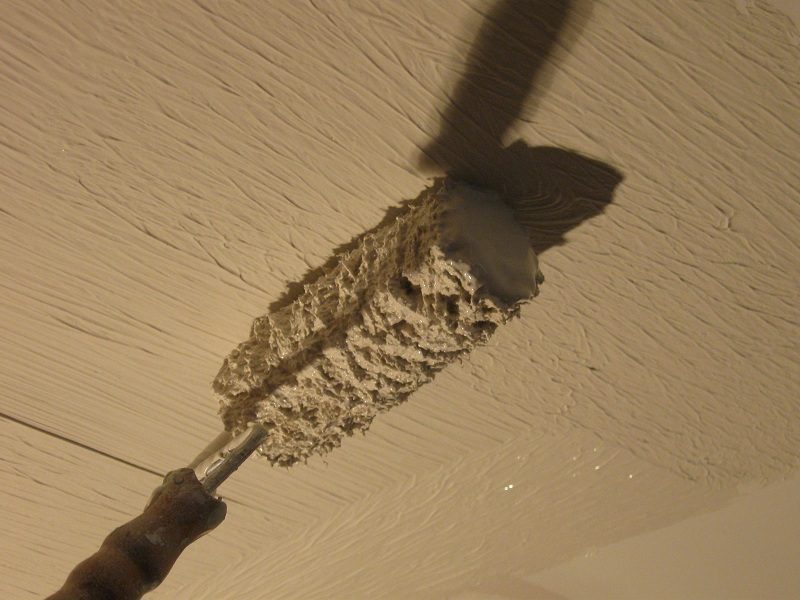
How to Roll Skim Drywall for a Level 5 Finish (Step by Step)
Step-by-step photos for roll skimming drywall: thin the mud, roll it on in 4x8 sections, skim it off with a 12–14" knife, then sand lightly.
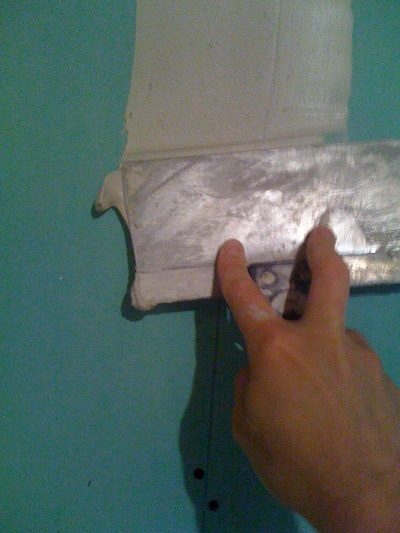
How to Tape Drywall: Seams, Corners and Finish Coats
Bed paper tape in mud, wipe it tight, then add two wider coats and sand. Step by step for flat seams, butt joints, corners and screws, plus drying times.
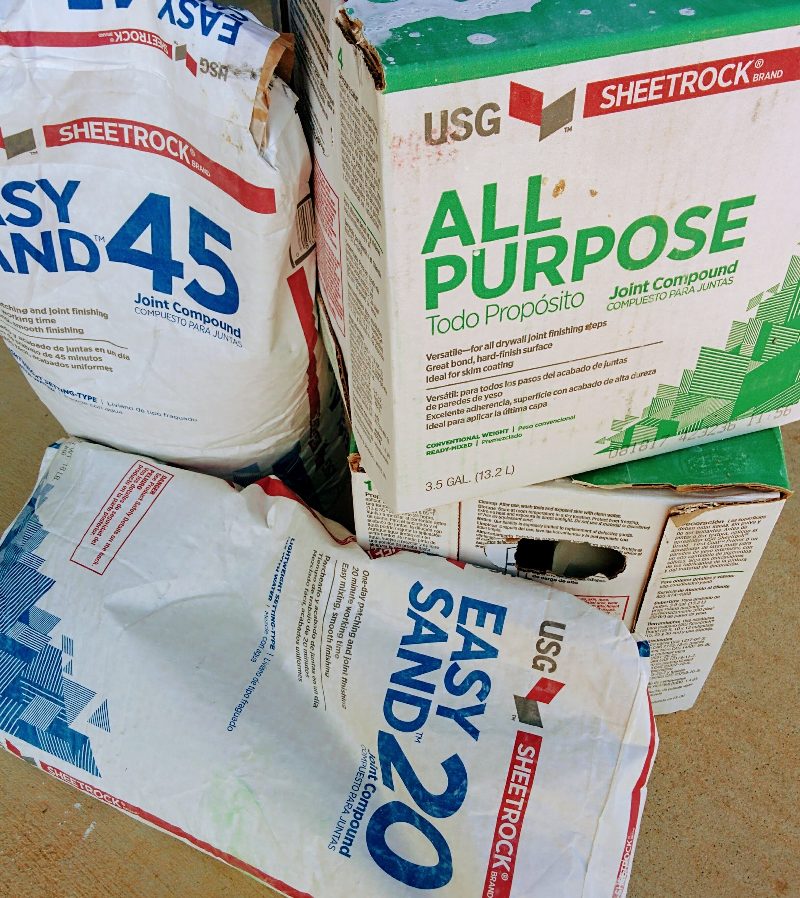
Hot Mud vs All-Purpose: Drywall Mud Types Explained
Hot mud vs all-purpose joint compound: set times, sanding, and which mud goes on which coat. A plain-language guide to drywall mud.