Drywall Mud and Paint in Cold Weather
Below 50°F is too cold to tape, mud, texture, prime or paint drywall. The Gypsum Association (GA-220-2026) requires the building to be held at not less than 50°F from 48 hours before that work until everything is thoroughly dry. USG says joint compounds, textures and paints must be used at 55°F or higher. Aim for 55°F: it meets USG's requirement and gives a buffer over the 50°F minimum.
This page covers temperature, heat, humidity and freezing. For the coats themselves, see How to Tape Drywall, Step by Step.
How cold is too cold for drywall mud?
| Work | Temperature | From when, until when | Source |
|---|---|---|---|
| Hanging board (mechanical fastening) | 40°F room minimum | During application | GA-220-2026 |
| Taping, finishing, texture, priming and paint | 50°F building minimum | From 48 hours before until thoroughly dry | GA-220-2026 |
| Joint compounds, textures and paints | 55°F or higher | When used; building held at 55°F during joint finishing | USG J850; USG J1969 |
| Interior primer and paint | 50°F minimum, air and surface | During application | Sherwin-Williams and Benjamin Moore data sheets |
| Recommended working target | 55°F | Before work starts, until dry | Meets USG; a buffer over the 50°F minimum |
Cold weather is not good for mud and paint. GA-220-2026: "Cold and damp weather conditions can contribute to joint compound bond failure, delayed shrinkage, ridging, fastener pops, joint shadowing, and panel sagging." USG J850 says that below 55°F, drying times lengthen and bonding is reduced, which "can lead to job delays, joint cracking, bond-to-tape failure and joint compound, texture or paint delamination."
Get the building closed in, dry and warm before you start
GA-220-2026 is direct: "Gypsum panel products and joint treatment shall not be applied to cold or damp surfaces." The temperature "shall be continuously maintained at not less than 50°F (10°C) from 48 hours before application and continuously until after the applied materials are thoroughly dry." Warming the room for an hour before you start isn't enough. A quick warm-up only heats the surface material, leaving the internal temperature of the drywall and studs too cold, which can lead to cracking and nail pops. The 48-hour window allows temperatures to stabilize.
A building open to the weather can't hold heat continuously. USG J2074 says the ideal finishing conditions "closely match the intended occupancy environment" and should be "maintained continuously before stocking, during installation and after the completion of the finishing and decorating processes."
In practice, that means the building is dried in: the roof, windows and exterior doors are on and closed. Building conditions are normally the general contractor's or owner's responsibility; see Drywall Finish Levels 0–5 Explained.
Heating the room safely: building heat, propane and kerosene
Building heat is best. USG J850: "The best method for raising temperatures to acceptable levels during joint finishing is to use the existing central heating sources of a building."
Temporary heat, including propane and kerosene, can be used when you need it. Whatever the heat source, safety comes first. Here are a few tips:
- 95°F maximum. "When a temporary heat source is used, the temperature shall not exceed 95°F (35°C) in any given room or area." (GA-220-2026)
- Aim at the room, not the walls. "Heaters should not be allowed to blow directly on wall surfaces. Excessive localized heating can cause joint compound to dry too rapidly resulting in cracking and localized delamination." (GA-236-2023) Point heaters toward the middle of the room, as How to Tape Drywall describes.
- Remove the moisture. A byproduct of burning propane and/or kerosene is moisture. While heat can help the mud dry, you need to provide adequate ventilation as well. "When portable gas or kerosene heaters are used, the extra water vapor produced shall be removed by ventilation or mechanical dehumidification," with "adequate and continuous ventilation" in the working area (GA-220-2026).
- Keep it on. Leave the heat running overnight and between coats until everything is dry. USG J2074 says to avoid sharp swings "like those that occur when environmental control systems are turned off at night or on weekends."
What to watch for. USG J850 says unvented heaters "may produce fumes that can stain surfaces," and the stains can bleed through texture and paint. They also "add water vapor to the air, slow drying, and produce uneven heat throughout the building." Check for stains and slow-drying corners before you texture or paint.
Heater safety (CPSC)
- Propane and kerosene produce carbon monoxide (CO). Install a CO alarm that meets UL 2034; CPSC says it "is no substitute for proper use and upkeep of appliances that can produce CO."
- Use only equipment "specifically designed for use in an enclosed space," and follow the manufacturer's instructions.
- Kerosene: "Use only water-clear 1-K grade kerosene." Never refuel indoors or while the heater is hot. Keep a door open to the rest of the building, and in a tight space open an outside window about an inch.
- Never run an unvented fuel-burning heater where people are sleeping.
- Early CO poisoning feels "similar to the flu (but without the fever)": headache, fatigue, shortness of breath, nausea, dizziness. If the alarm sounds, "Immediately move outside to fresh air" and call 911.
Humidity and ventilation: why mud dries slowly in the cold
The water in the mud has to leave the building. USG J850: "Adequate ventilation is required to allow the water evaporating from the joint compounds, textures and paints to escape the building." USG's chart gives the highest relative humidity (RH) at which joint compound will dry in 24 or 48 hours:
| Room temperature | Dries in 24 hours at RH up to | Dries in 48 hours at RH up to |
|---|---|---|
| 50°F | 23% | 65% |
| 55°F | 37% | 71% |
| 60°F | 50% | 76% |
| 65°F | 59% | 81% |
| 70°F | 67% | 85% |
| 75°F | 71% | 88% |
| 80°F | 76% | 90% |
| 85°F | 79% | 92% |
| 90°F | 84% | 93% |
Source: USG J850, Finishing Sheetrock Brand Gypsum Panels: Cold or Humid Conditions.
At 55°F, the air has to be at 37% RH or lower for a 24-hour dry.
- Warmer air dries faster. "As a general rule, raising the temperature by 5 °F will lower the relative humidity by 15%." (USG J850)
- Watch the corners. "When corner angles dry at the same rate as the other joints being taped and finished, the ventilation is adequate." (USG J850)
- Stay above the dew point. "No joint compounds or coatings should be applied unless the surface temperature is at least 5°F (3°C) above the dew point temperature of the room air." (USG J2074) You can use an inexpensive thermometer-hygrometer combo to monitor the humidity and temperature levels.
How to tell if it's dry. USG's hand test: "place your hand over the area in question, then place the same hand on a nearby area (non-metal) that has not been coated. If the joint compound, texture or paint feels cooler than the adjoining area, it's not dry yet." (USG J850) Cold slows every step, so check each coat before the next.
Can drywall mud freeze? What to do if it does
Yes. Ready-mix is water-based and can freeze. GA-220-2026: "Ready-mix joint compounds and textures shall be protected against freezing." USG J1969 says to store all-purpose ready-mix at 55–95°F and protect it from freezing, so don't leave pails in a cold truck or garage. For storing mud, see types of drywall mud.
If a pail froze, follow USG's frozen-material guidelines (J2155):
- Thaw it at room temperature (at least 55°F) for 24 to 48 hours before you decide whether it's usable.
- Don't use direct or artificial heat.
- Remix the liquid that separated: "This liquid material is not water and must be remixed into the compound."
- Don't add water until it's fully remixed.
- If it won't return to a smooth, lump-free consistency, throw it out.
USG adds: "USG does not guarantee the performance of the material once it's been frozen."
If mud froze on the wall, check the tape. GA-220-2026 lists bond failure among cold-weather problems, and USG J2074 names "cold wet application conditions resulting in poor bond" as a cause of cracking along tape edges. For bubbled or blistered tape, see Why Do Drywall Seams and Mud Crack?
Does setting-type compound (hot mud) help in cold weather?
Yes, according to the Gypsum Association. GA-220-2026: "The use of setting-type joint compounds may prevent many cold weather-related finishing problems." GA-236-2023: "Use setting-type compounds to avoid many cold weather related problems," and "Select setting-type compounds, especially when conditions are cold and wet."
Why it helps. USG calls all-purpose ready-mix "a ready mix drying type joint compound" (J1969): it hardens as it dries, and cold slows drying. Setting-type compounds are "chemically setting compounds" that "permit same-day joint finishing" and are "virtually unaffected by extreme humidity" (USG J17A). Because setting-type compound hardens by chemical reaction, it is less affected by temperature and moisture levels.
What it doesn't change:
- Temperature is still important. USG's setting-compound sheet says the building "shall be maintained at a minimum of 55°F (13°C)" during joint finishing in cold weather (J17A). Even when using hot mud, it is still best to heat the room.
- Cold water slows the set. "Typically, cold water (below 55°) can increase and, inversely, hot water can decrease setting times." (USG J17A)
- Set isn't dry. Hot mud hardens long before it fully dries. You should still wait until it is fully dry before painting.
For setting times, sanding, and the comparison with all-purpose, see Hot Mud vs All-Purpose: Drywall Mud Types Explained.
Painting drywall in a cold room or garage
Minimum: 50°F, air and surface. Sherwin-Williams' ProMar 200 Zero VOC primer and flat data sheets say "Apply at temperatures above 50°F." Benjamin Moore's Ultra Spec 500 primer and Regal Select data sheets say "Do not paint when air or surface temperature is below 50 °F (10 °C)." GA-220-2026 also requires 50°F for at least 48 hours before priming. Primer has the same 50°F floor as paint.
Recommended: 55°F. USG J850 puts paints in its 55°F rule, and 55°F gives a buffer over the label minimum. Always follow the label for your product.
Check the wall, not just the thermostat. The data sheets set the limit for the surface as well as the air, and USG's dew-point rule (surface at least 5°F above the dew point) covers coatings too.
Expect longer dry times. Dry times are estimated at 77°F and 50% relative humidity. High humidity and cool temperatures slow down the process. In a cold room, allow a little extra time between coats.
Keep the paint warm too. Don't leave paint cans in a freezing garage or truck. Usually paint cannot be reused after it has frozen. Benjamin Moore data sheets recommend a 40°F minimum storage temperature.
More on painting drywall: Painting Drywall Overview.
Garages, basements and additions
Garages
Heat the garage to the working target before you start and keep it there until everything is dry. Finishing a garage that will stay unheated isn't recommended: GA-220-2026 requires the area be heated until the work is thoroughly dry, and USG J2074 says conditions should match how the space will be used, before, during, and after finishing. USG warns that "Rapid changes in environmental conditions cause thermal and hygrometric movement which is likely to cause cracking, bond loss or other problems." In other words, rapid temperature and moisture changes can cause expansion that leads to cracks. To understand why cracks show up in winter, see What Causes Drywall Cracks? Diagnose Before You Repair.
Basements
Apply the humidity rules: check the relative humidity against USG's chart, keep the wall surface at least 5°F above the dew point (USG J2074), and ventilate or dehumidify.
Additions and new builds
Don't start finishing until the space is closed in and heated, as described above.
Cold-weather checklist before you start
- The building is closed in and dry, with no cold or damp surfaces.
- Heat is holding 55°F (50°F minimum).
- The wall surface is at least 5°F above the room's dew point.
- If using a temporary heater, make sure it is made for indoor use, ventilated, and aimed at the middle of the room. Keep the temperature at or below 95°F, and keep a UL 2034 CO alarm running.
- Store ready-mix mud in a warm location; if it froze, thaw and remix per USG guidelines.
- Keep the heat running continuously until everything is dry.
- Air and surface temperatures should be at 50°F minimum; 55°F is recommended.
FAQ
How cold is too cold to tape or mud drywall?
Below 50°F is too cold. The Gypsum Association (GA-220-2026) requires the building to be held at not less than 50°F from 48 hours before taping, texturing or painting until everything is thoroughly dry. USG says joint compounds, textures and paints must be used at 55°F or higher. Aim for 55°F: it meets USG's requirement and gives a buffer over the 50°F minimum.
Is a propane or kerosene heater OK while finishing drywall?
Yes, when you need it, but building heat is best and safety comes first with any heater. GA-220-2026 says the extra water vapor from portable gas or kerosene heaters must be removed by ventilation or a dehumidifier, and temporary heat shouldn't push any room above 95°F. Aim heaters at the middle of the room, not at the walls (GA-236-2023). USG warns that fumes from unvented heaters can stain surfaces and bleed through texture and paint. Use only a heater made for indoor use, follow its instructions, and run a carbon monoxide alarm: CPSC notes that propane and kerosene produce carbon monoxide.
Can joint compound freeze? Is it still good?
Yes, ready-mix can freeze, because it's water-based. Sometimes it can be reused, but not always. USG says to thaw it at room temperature (at least 55°F) for 24 to 48 hours without direct heat, then remix the liquid that separated. That liquid isn't water, so don't pour it off, and don't add water until the compound is remixed. If it won't come back smooth and lump-free, throw it out.
What's the best drywall mud for cold weather?
The Gypsum Association recommends setting-type compound (hot mud): GA-220-2026 says it "may prevent many cold weather-related finishing problems." It hardens by chemical set instead of drying alone, and USG says it's virtually unaffected by extreme humidity. The temperature rules still apply: at least 50°F per GA, and USG's own setting-compound sheet calls for 55°F in the building during joint finishing. See types of drywall mud.
What's the minimum temperature to paint drywall?
For most interior latex primers and paints, 50°F for both the air and the wall surface is the minimum. That's what Sherwin-Williams and Benjamin Moore data sheets say, and GA-220-2026 requires 50°F for 48 hours before priming. USG puts paints in its 55°F rule, so 55°F gives a buffer. Check the wall itself, and expect longer dry and recoat times.
How do I know if mud is dry in a cold room?
Use the touch test: hold your hand on the coated area, then on a nearby uncoated spot. If the coated area feels cooler, it's still wet. Check the corner angles; they are the last thing to dry.
Should I finish a garage that will stay unheated?
It isn't recommended. Sharp swings in temperature and humidity cause movement that is likely to cause cracking, bond loss, or other problems.
Related reading
- Hot Mud vs All-Purpose: Drywall Mud Types Explained
- How to Tape Drywall, Step by Step
- Why Do Drywall Seams and Mud Crack?
- Drywall Finish Levels 0–5 Explained
- Painting Drywall Overview
Sources:
- Gypsum Association, GA-220-2026, Gypsum Panel Winter Related Installation Recommendations (GA product page).
- Gypsum Association, GA-236-2023, Joint Treatment Under Extreme Weather Conditions (PDF).
- Gypsum Association, GA-214-2026, Levels of Finish for Gypsum Panel Products, for jobsite-condition responsibility.
- USG J850, Finishing Sheetrock Brand Gypsum Panels: Cold or Humid Conditions (PDF).
- USG J1969, Sheetrock All Purpose Joint Compound submittal (PDF).
- USG J17A, Sheetrock Durabond Setting-Type Joint Compounds submittal (PDF).
- USG J2155, Ready-Mix Joint Compound Frozen Material Guidelines (PDF).
- USG J2074, Evaluating Jobsite Environmental Conditions (PDF).
- Sherwin-Williams ProMar 200 Zero V.O.C. Interior Latex Primer and Flat product data sheets (primer, flat).
- Benjamin Moore Ultra Spec 500 Interior Latex Primer N534 and Regal Select Eggshell N549 technical data sheets (N534, N549).
- U.S. Consumer Product Safety Commission, Carbon Monoxide Fact Sheet (page) and "CPSC Stresses Kerosene Heater Safety," Pub. 5052 (PDF).
- All checked Nov 23, 2026.
Keep reading
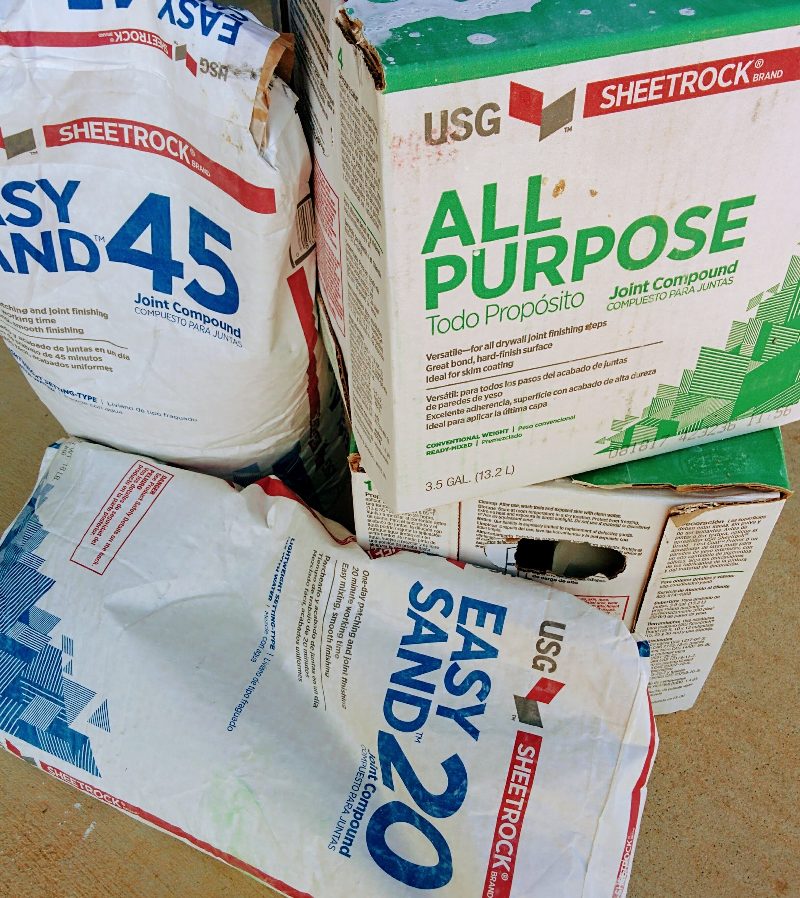
Hot Mud vs All-Purpose: Drywall Mud Types Explained
Hot mud vs all-purpose joint compound: set times, sanding, and which mud goes on which coat. A plain-language guide to drywall mud.
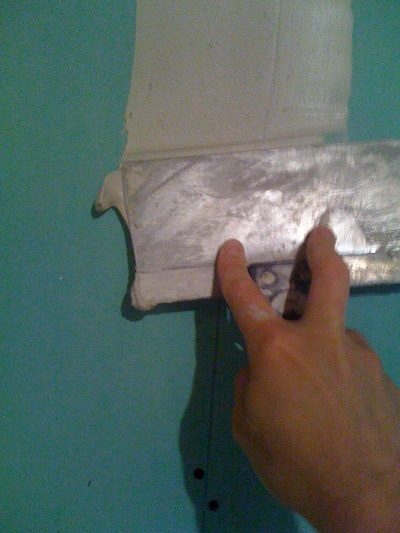
How to Tape Drywall: Seams, Corners and Finish Coats
Bed paper tape in mud, wipe it tight, then add two wider coats and sand. Step by step for flat seams, butt joints, corners and screws, plus drying times.
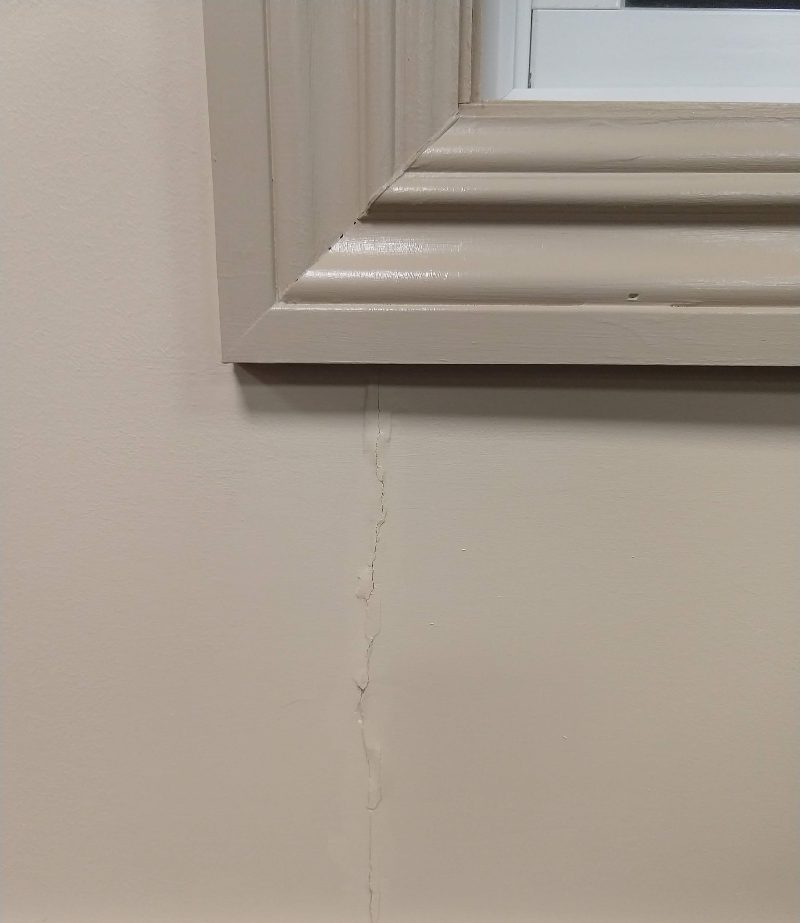
Why Does Drywall Mud Crack? 7 Taping Mistakes That Cause Cracked Seams
Cracked drywall seams usually trace back to the wrong mud, mesh tape with premixed mud, too little mud under the tape, or problems drying. Here's how to tell.

Drywall Finish Levels 0–5: What Each Level Means
Level 0 is bare board; Level 5 is a full skim coat. What each drywall finish level requires, where it's used, and how to pick one for a spec or bid.
Painting Drywall Overview
Professional painters have tools and techniques that make a big difference in the quality of paint job produced. Check out these articles for tips and tricks to help improve your painting ability.